How Dental Implants in Bakersfield CA Improve Oral Health
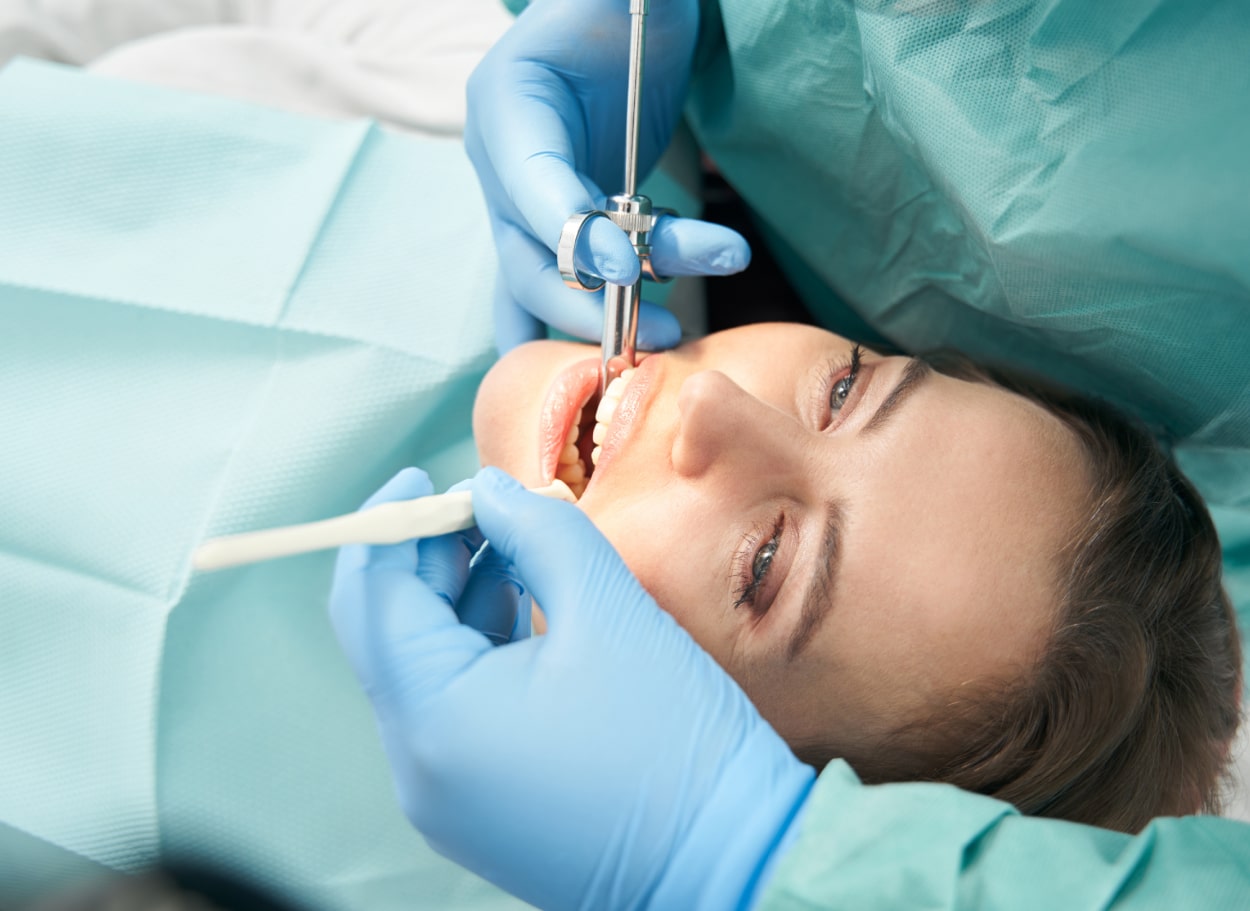
Losing a tooth changes more than a smile. It alters the way a person chews, speaks, cleans their mouth, and even holds their jaw at rest. In practice, the effects often show up gradually. A patient may start by favoring one side while eating. A few months later, food traps become more annoying around the gap. A year or two after that, nearby teeth have shifted enough that floss snaps or catches where it never used to. What looked like a single missing tooth begins to affect the entire system.
That is why conversations about tooth replacement are not only cosmetic. They are about preserving function, preventing damage that spreads over time, and supporting long-term oral health. For many adults, dental implants offer the most stable and biologically sound way to do that. Patients searching for Dental Implants Bakersfield CA are often focused on getting their smile back, which makes sense. What matters just as much, and often more, is what implants can do beneath the surface.
The oral health cost of a missing tooth
A healthy mouth depends on balance. Every tooth helps maintain spacing, supports bite forces, and stimulates the jawbone through chewing. When one is removed and not replaced, that balance changes quickly.
The first issue is often mechanical. The opposing tooth can begin to drift because it no longer has a partner to bite against. Teeth next to the gap may tilt toward the empty space. Those movements are usually small at first, but even minor shifting can make a bite feel off. Patients describe it as a tooth that seems “higher” than the others, or a place where food suddenly packs in every time they eat salad, chicken, or popcorn.
The second issue is bone loss. Natural tooth roots transfer pressure into the jawbone when a person bites and chews. That stimulation helps maintain bone volume. Once the root is gone, the body begins to resorb bone in that area because it no longer serves the same function. This process starts sooner than many people expect. It is not unusual to see measurable changes in the ridge within the first year after extraction, though the pace varies by patient, location in the mouth, and general health.
The third issue is oral hygiene. Gaps can create awkward contours that trap plaque and debris. If nearby teeth drift, they may become harder to brush and floss effectively. That can raise the risk of cavities and gum inflammation around otherwise healthy teeth.
Why implants are different from bridges and removable appliances
Dental implants stand apart because they replace the missing tooth root, not just the visible crown. A small titanium implant is placed in the jawbone, where it heals and integrates with the bone. Later, it supports a crown, bridge, or denture component depending on the case.
This root-level support is what makes implants such a strong tool for oral health. A traditional bridge can restore appearance and function, but it usually depends on neighboring teeth for support. That means those teeth often need to be reshaped, even if they are healthy. A removable partial can fill a gap too, but it may place pressure on gums or clasps on nearby teeth, and some patients struggle with movement or soreness.
An implant works independently. It does not require trimming adjacent teeth, and it helps preserve bone in a way other options generally cannot. From a clinical perspective, that independence matters. When treatment preserves healthy tooth structure and reduces stress on the rest of the mouth, the benefits tend to last longer.
How implants support healthier gums
One of the less discussed benefits of implants is how much easier they can make routine hygiene when properly planned and restored. A well-designed implant crown should allow the patient to brush normally and clean the area with floss, interdental brushes, or other recommended tools. The gum tissue around a carefully restored implant can remain healthy for many years with good home care and regular maintenance.
Compare that with the conditions around some untreated gaps or poorly fitting appliances. When teeth tip into open space, the angle between teeth often becomes harder to clean. When a partial denture shifts, it can create sore spots or plaque-retentive areas. When patients avoid certain areas because they are uncomfortable or difficult to reach, inflammation follows.
Healthy gums need consistency. They respond well to predictable contours and surfaces that can be cleaned thoroughly. Implants, when maintained well, help create that stability.
That said, implants are not immune to gum problems. Patients can still develop peri-implant mucositis or peri-implantitis if plaque accumulates and inflammation goes untreated. This is one of the most important points to understand: implants reduce certain risks associated with missing teeth, but they also require commitment. Daily care and regular professional follow-up are essential.
Bone preservation is more than a cosmetic advantage
Patients often hear about bone preservation in the context of appearance, especially when front teeth are involved. Bone does support the lips and facial contours, so that cosmetic aspect is real. https://israelplmz984.wordcanopy.com/posts/how-to-choose-a-trusted-clinic-for-dental-implants-in-bakersfield-ca But the oral health importance goes further than profile changes or smile esthetics.
When bone shrinks, future treatment becomes more complicated. Implant placement may require grafting that would have been avoidable earlier. Dentures can become less stable because the ridge that supports them has flattened over time. Even speech and chewing comfort can change as the anatomy becomes less favorable.
An implant does not stop all bone remodeling forever. Biology is rarely that simple. Still, compared with leaving a space untreated, an integrated implant can significantly help maintain local bone levels because it restores functional stimulation. In everyday terms, that means the jaw has a reason to keep supporting the area.
In Bakersfield, where many patients put off treatment because life gets busy, this timing issue matters. Work schedules, family obligations, and cost concerns are real. Yet waiting for years often narrows options and raises the complexity of care. The best time to discuss replacement is usually much sooner than patients think, even if treatment itself needs to be phased.
Better chewing, better food choices, better overall habits
Oral health is tied closely to what and how a person eats. Someone missing back teeth may say they are “doing fine,” but then admit they avoid nuts, crisp vegetables, steak, apples, or anything that takes effort to tear and chew. They choose softer foods because it is easier and less frustrating.
That adaptation can become routine. The problem is that the mouth functions best when chewing is balanced and efficient. Stable implants can restore bite strength and improve confidence during meals. Patients frequently report that they stop thinking so much about where food goes in their mouth. That alone is a major quality-of-life change.
Chewing well also affects digestion in simple, practical ways. Food that is properly broken down is easier to manage, and patients often feel less rushed or self-conscious when eating with others. From a behavioral standpoint, implants can help people return to a more varied diet because they are no longer trying to work around a loose denture, sore spot, or missing tooth.
No dentist should promise that implants make a patient chew exactly like they did at age twenty. The amount of improvement depends on the number of missing teeth, the health of the remaining dentition, muscle adaptation, and the design of the final restoration. Even so, the functional gains are often substantial.
Protecting neighboring teeth from unnecessary strain
When one tooth is missing, the rest do not simply continue as before. They compensate. That compensation can wear them down.
Take a common situation: a person loses a lower first molar and leaves the space open for several years. The second premolar in front of it begins taking more chewing load than it was designed for. The upper molar above the gap may start to overerupt. Food packs between the remaining teeth. A crack develops in a nearby tooth that has been carrying extra force. Eventually, what began as one lost tooth turns into a more complex restorative case.
Implants help by restoring force distribution. They give the bite another stable contact point, which can reduce the overload on surrounding teeth. They also help maintain spacing, so contacts stay more natural and easier to keep clean.
This benefit becomes even more important for patients who clench or grind. While implants themselves require careful force management in these cases, they can still be part of a healthier overall bite strategy when planned correctly. Often that means using a night guard, adjusting the restoration carefully, and designing occlusion with restraint rather than trying to make the implant do too much.
The process matters as much as the implant itself
Not every implant outcome is the same. Oral health benefits depend heavily on diagnosis, planning, surgical technique, bone quality, soft tissue management, and the final crown design. A good implant in the wrong position can be difficult to clean. An attractive crown with poor contours can trap plaque. A rushed case placed without addressing gum disease can fail despite excellent hardware.
The evaluation stage should cover more than the empty space. A thorough clinician looks at the bite, bone level, gum health, medical history, habits like smoking or clenching, and the condition of neighboring teeth. Imaging helps determine whether there is enough bone and whether grafting might be needed. In some cases, an implant is clearly the best option. In others, especially where infection, uncontrolled diabetes, or active periodontal problems are present, treatment needs to be staged.
Patients considering Dental Implants Bakersfield CA should expect that careful planning takes time. That is a good sign, not a delay for its own sake.
Who benefits most, and where caution is needed
Implants are an excellent solution for many adults, but not every mouth is ready at the same moment. Clinical judgment matters here.
A patient missing a single tooth with healthy gums, solid bone, and good hygiene habits is often an ideal candidate. So is someone tired of a lower denture moving during meals, provided the anatomy and medical conditions are favorable. The benefits can be dramatic, especially when stability has been poor for years.
There are also cases where caution is appropriate. Heavy smokers may heal less predictably. Patients with untreated periodontal disease need that disease managed first, or they risk losing bone around both teeth and implants. Someone who has severe dry mouth from medication may have a harder time maintaining tissue health. People with uncontrolled systemic conditions may need medical clearance or improved control before surgery.
The key point is not that these situations rule implants out. It is that they affect timing, risk, and maintenance. Good care is tailored care.
Common oral health improvements patients notice after treatment
Most patients do not describe success in technical language. They talk about ordinary moments getting easier. A few themes come up again and again:
- They can chew on both sides again without thinking about it.
- Flossing around the area feels more straightforward than cleaning around a gap or a bulky appliance.
- Food stops packing into the missing-tooth space.
- The bite feels more balanced and less awkward.
- They stop worrying that a removable tooth will shift or lift during meals or conversation.
Those daily changes may sound modest on paper, but they are exactly what long-term oral health depends on. Small disruptions repeated over years create larger problems. Stable function repeated every day supports health.
The importance of maintenance after the implant is placed
Implants are not a set-it-and-forget-it treatment. They are durable, but they still live in a bacterial environment, under force, surrounded by soft tissue and bone that can change over time. The patients who do best usually understand this from the beginning.
Home care should be simple enough that it actually gets done. That means the restoration should allow access for cleaning, and the patient should know which tools to use. Sometimes standard floss is enough. In other cases, an interdental brush, water flosser, or threader works better. The right answer depends on the prosthetic design and the patient’s dexterity.
Professional maintenance is equally important. Hygienists and dentists monitor the tissues, take periodic radiographs when indicated, check for looseness or wear, and look for early inflammation before bone loss occurs. This is especially relevant for patients with a history of gum disease, because they may be more vulnerable around implants as well.
The strongest outcomes tend to come from a partnership. The implant supports oral health, and the patient supports the implant.
Why local context matters in Bakersfield
Treatment decisions never happen in a vacuum. In Bakersfield, many adults juggle long work hours, commuting, family responsibilities, and the practical realities of budgeting healthcare. That often shapes when they seek treatment and what kind of restoration feels manageable.
For some, the discussion starts after a cracked tooth has to be removed. For others, it begins when a bridge is failing after many years and they want a replacement that does not depend on neighboring teeth. I have seen patients delay care because the missing area “wasn’t visible anyway,” only to return later when shifting teeth and bone loss made the case more complicated. That pattern is common enough to be worth saying plainly: the oral health benefit of implants is greatest when treatment is considered early, before the surrounding structures begin to unravel.
Searching for Dental Implants Bakersfield CA usually begins as a local convenience question, but it should become a quality question quickly. Patients benefit from choosing a provider who explains not only how the implant will look, but how it will be cleaned, loaded, monitored, and integrated into the rest of the bite.
What patients should ask before moving forward
A brief consultation can reveal a lot. The best questions are practical ones that connect treatment to long-term health rather than only immediate appearance or price.
- Am I a good candidate for an implant right now, or do my gums or bone need treatment first?
- How will this implant affect the teeth next to it and the way I bite?
- Will I need a graft, and if so, why?
- How should I clean it at home once the final crown is placed?
- What maintenance schedule do you recommend based on my history?
Those questions often lead to a better treatment plan because they shift the conversation from “Can you put an implant there?” to “How do we make this healthy and durable?”
The long view
Dental implants improve oral health by doing something simple but profound: they restore missing support where the body expects it to be. That support helps preserve bone, protect adjacent teeth, stabilize the bite, improve chewing, and make the mouth easier to maintain. For many patients, those benefits matter far more than the visible result, though the visible result is often what gets them through the door.
The real value shows up over the years. A patient keeps more natural tooth structure because neighboring teeth were not cut for a bridge. Gum tissue remains calmer because the area is easier to clean. The bite stays steadier because teeth have less room to drift. Meals feel normal again. Oral hygiene becomes less of a workaround and more of a routine.
For anyone exploring Dental Implants Bakersfield CA, that is the heart of the decision. A well-planned implant is not just a replacement tooth. It is a way to preserve the health, balance, and function of the entire mouth.
Smyle Dental Bakersfield
2016 E St, Bakersfield, CA 93301, United States
+16614939040
FAQ About Dental Implants Bakersfield CA
What is the downside of a dental implant?
The main downsides of dental implants involve high financial costs, surgical risks, a lengthy healing process, and the potential for long-term complications.
How much does a full set of implants usually cost?
A full set of dental implants (covering both the upper and lower arches) typically ranges from $6,000 to $90,000+, depending heavily on the type of treatment, materials used, and whether the teeth are fixed or removable.
Can I have all my teeth pulled and get implants?
Yes, you can have all your teeth pulled and replaced with dental implants. Instead of placing a separate implant for every single tooth (which is costly and time-consuming), dentists typically use full-arch systems.